The Spiritual Significance of Itikaf: A Time of Reflection and Devotion
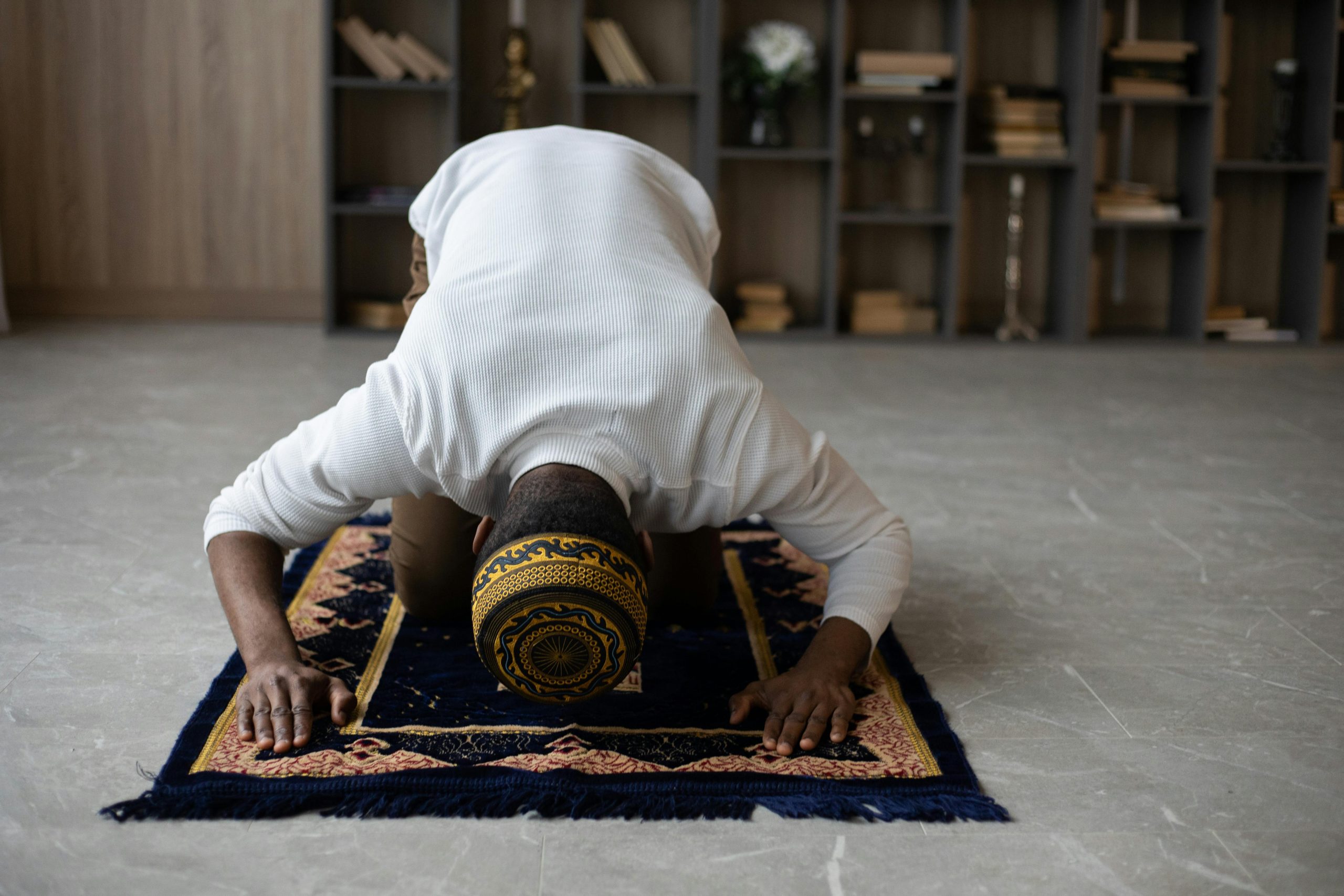
Itikaf, in the Islamic tradition, refers to the practice of seclusion in a mosque for worship and reflection, particularly during the last ten days of Ramadan. This period of retreat offers Muslims an opportunity to immerse themselves fully in prayer, meditation, and the remembrance of Allah (SWT). It’s a deeply spiritual experience that strengthens one’s connection to their faith and allows for a period of introspection away from the distractions of daily life.
What is Itikaf?
Itikaf is derived from the Arabic root word “Akkafa,” which means “to isolate” or “to seclude.” In Islamic practice, it refers to a time when a Muslim stays in a mosque for the purpose of dedicating oneself to worship. The purpose of Itikaf is to focus on spiritual practices, such as reciting the Quran, praying, making dhikr (remembrance of Allah), and seeking closeness to Allah through devotion and reflection.
While Itikaf can be observed at any time of the year, it is most commonly practiced during the last ten days of Ramadan, especially in the mosque where one regularly attends prayers. It’s a time when the individual seeks to strengthen their bond with Allah and renew their sense of spiritual purpose.
The Importance of Itikaf
The significance of Itikaf lies in the deep spiritual benefits it offers. Here are some of the reasons why Itikaf is so important in Islam:
Closer Connection with Allah: During Itikaf, a Muslim is fully focused on worship, free from the distractions of daily life. The time spent in prayer, reflection, and recitation of the Quran allows for a deeper connection with Allah.
Seeking Laylat al-Qadr: The last ten days of Ramadan are believed to contain Laylat al-Qadr, the Night of Decree, which is better than a thousand months. Muslims believe that the best opportunity to seek Allah’s mercy, forgiveness, and blessings lies during this time. Itikaf provides a chance to stay in the mosque, especially during these nights, in hopes of encountering Laylat al-Qadr.
Spiritual Renewal: Itikaf is an opportunity to step back from the busyness of life and reflect on one’s spiritual journey. It is a chance to repent for past mistakes, seek forgiveness, and refocus on the higher purpose of life.
Enhancing Acts of Worship: The practice of Itikaf gives individuals the time and space to engage more deeply in acts of worship. Whether it’s performing extra prayers (Sunnah prayers, Taraweeh), reciting the Quran, or simply remembering Allah (dhikr), Itikaf facilitates an environment of spiritual growth.
Rules and Guidelines for Itikaf
While Itikaf is an important and rewarding act of worship, it comes with specific rules and guidelines that must be followed:
Location: Itikaf is ideally observed in a mosque, where one is able to perform congregational prayers and engage in community worship. While it’s preferable to be in a mosque for it, it’s still valid if the person is secluding themselves in a designated area of a mosque or even in their home (though the latter is less common).
Duration: The minimum time for Itikaf is one full day and night, but it is most commonly observed for the last ten days of Ramadan. Some may choose to engage in Itikaf for a shorter duration or even for a few hours, depending on their individual circumstances.
Intentions: Before beginning Itikaf, the person must make a sincere intention (niyyah) for the sake of Allah. This intention is essential for the act to be accepted.
Physical and Emotional Restrictions: During Itikaf, it’s important to avoid engaging in unnecessary conversations, disputes, or any other activities that might detract from the purpose of seclusion. Muslims are encouraged to focus on prayer, reflection, and deepening their worship.
Avoiding Family and Social Obligations: While the basic necessities of life (e.g., food, water) are allowed, Itikaf requires the individual to minimize engagement in family or social affairs. The focus is on worship, not on worldly matters.
Benefits of Itikaf
The spiritual and emotional benefits of Itikaf are many. Here are a few:
Purification of the Soul: Itikaf provides an opportunity to cleanse oneself spiritually. By immersing oneself in worship and leaving behind worldly distractions, a Muslim can purify their heart and soul.
Increased Rewards: The rewards for worship during Ramadan are multiplied, and the last ten days, especially during Itikaf, offer a chance for even greater rewards. The act of worship during these days is considered highly virtuous.
Inner Peace and Reflection: Spending time alone with oneself and with Allah offers moments of tranquility and deep reflection. Itikaf provides an environment for introspection, self-improvement, and growth.
Conclusion
Itikaf is a transformative spiritual practice that allows Muslims to reconnect with their faith, purify their hearts, and draw closer to Allah. It’s a time of seclusion that enables one to reflect on their life, renew their intentions, and engage in worship without the distractions of the world. As Ramadan draws to a close, the opportunity for Itikaf becomes even more precious, providing a chance to seek the mercy of Allah and to experience the profound spiritual benefits of a devoted and sincere connection with Him.
May this practice inspire a deeper commitment to worship and lead to greater spiritual fulfillment for all who observe it.
Frequently asked questions
Itikaf is an Islamic practice of seclusion, typically in a mosque, where a person devotes themselves to worship, prayer, and reflection. It is often done during the last ten days of Ramadan, but it can be observed at any time of the year.
The primary purpose of Itikaf is to engage in intensified worship, reflection, and remembrance of Allah (SWT). It is a time for spiritual renewal, detaching from worldly distractions, and seeking closeness to Allah.
Itikaf is commonly observed during the last ten days of Ramadan, particularly because of the significance of Laylat al-Qadr (the Night of Decree), which is believed to fall during this time. However, Itikaf can also be performed at other times of the year, though it is less common.
The minimum duration for Itikaf is one full day and night. The most common practice is to perform it for the last ten days of Ramadan, though some people may choose to perform Itikaf for a shorter period.